Keir Whitaker
Marketing & Business Support for Shopify Partners
The Event Isn't the Strategy
Events are back on the marketing agenda. And I, for one, am delighted.
Many of my clients are attending conferences, sponsoring meetups, hosting dinners, running workshops, and finding new reasons to bring people together. That’s a good thing. Some conversations are simply better when they happen in the same room.
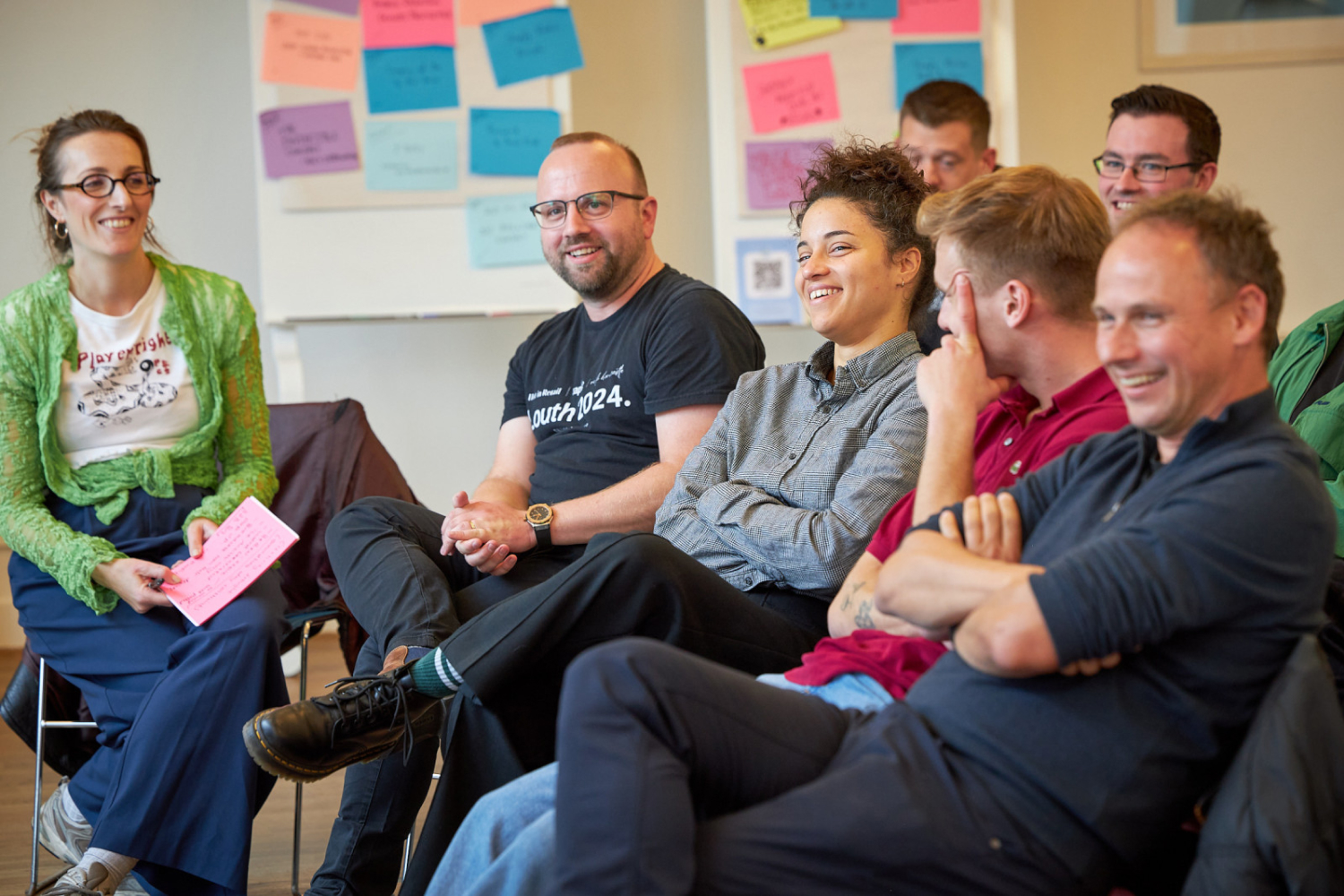
Craft & Work: LDN 2025
But booking a venue, paying for a stand, or inviting twenty people to dinner isn’t a marketing strategy. It’s an activity—and often an expensive one.
The value comes from knowing why you’re doing it, who you want to reach, and how the moment connects to everything that happens before and afterwards.
What Counts as IRL Marketing?
IRL marketing is any activity designed to create meaningful interaction with people in the real world. That might include the following.
- Attending or sponsoring a conference
- Hosting a dinner, breakfast, or meetup
- Running a workshop or roundtable
- Speaking at an industry event
- Creating a partner activation
- Bringing customers or collaborators together
The format matters, but it shouldn’t be the starting point. “We should host a dinner” is an idea. “We want to deepen our relationships with ten agency partners who influence the customers we hope to reach” is the beginning of a strategy.
Once the purpose is clear, you can decide whether dinner is actually the right answer.
The Event Isn’t the Strategy
It’s easy to put all the attention on the day itself. The venue needs to be booked. The stand needs to be designed. Someone has to organise the food, print the signs, ship the merchandise, and make sure the presentation works.
Those details are important, but they can become a distraction from the larger question.
What is this activity meant to change?
Perhaps you want to become better known among a particular group of Shopify Partners. You might want to strengthen existing relationships, introduce customers to one another, test an idea, create new sales conversations, or give people a reason to associate your business with a subject that matters.
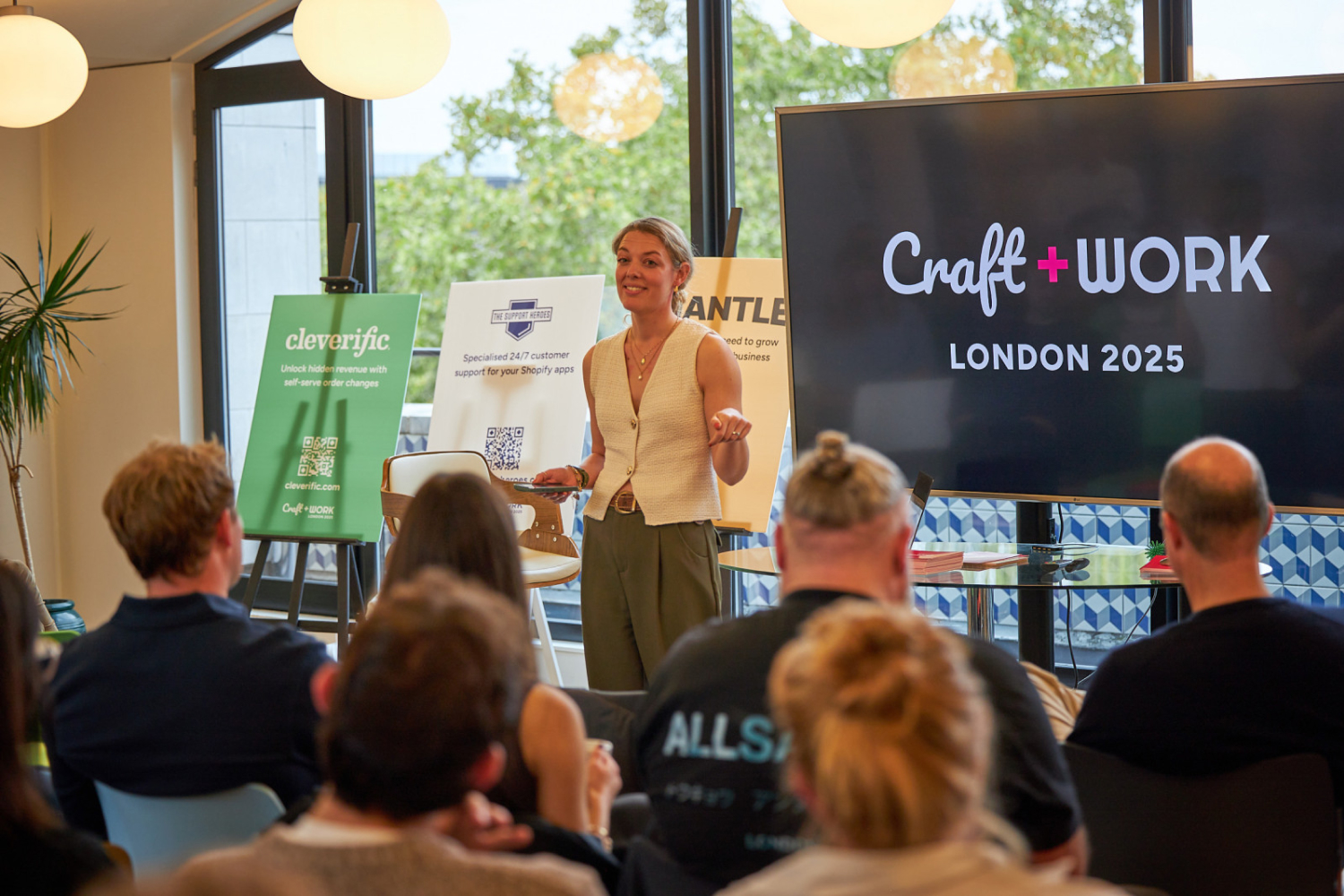
Craft & Work: LDN 2025
Each objective leads to a different kind of activity, a different guest list, and a different way of judging whether the investment was worthwhile.
Without that clarity, success tends to be reduced to attendance numbers, badge scans, or how busy the room looked. Those things are easy to count, but they don’t necessarily tell you whether anything useful happened.
Before, During, and After
The event might last an hour or two days but the marketing opportunity lasts much longer.
Before
The work starts by deciding who the activity is for and why they should care. That shapes the concept, message, invitation, partners, promotion, and experience you create.
This is also when you can begin useful conversations. An invitation is a reason to contact someone. Announcing a workshop gives you something relevant to share. Developing a session can reveal questions worth exploring through articles, newsletters, or interviews before anyone enters the room.
Promotion shouldn’t be treated as a last-minute attempt to fill seats. It is part of the value of the activity itself.
During
The aim isn’t to extract as many email addresses as possible. It’s to create the conditions for useful conversations and memorable experiences.
That might mean making thoughtful introductions, asking better questions, giving attendees a way to contribute, or creating space for a smaller number of deeper discussions. It can also mean capturing the ideas that emerge—without turning every interaction into a content production exercise.
People should feel that the gathering was designed for them, not that they were assembled to become leads.
After
This is where much of the potential is lost.
Follow-up becomes a generic email, photographs sit unused in a folder, and promising conversations disappear beneath the work waiting back at the office. Everyone moves on to the next thing.
Good follow-up doesn’t have to be complicated. It might be a personal introduction, a useful summary, an invitation to continue a conversation, or a piece of content shaped by what people discussed. The point is to continue the relationship rather than immediately force a sale.
One gathering can also produce ideas for future articles, customer stories, interviews, partnerships, and smaller follow-on events. What happened in the room should inform what happens next.
Where IRL Marketing Goes Wrong
The problems often begin long before the doors open.
- Starting with a format instead of an objective
- Trying to appeal to everyone rather than designing for a specific audience
- Choosing an event because competitors will be there
- Leaving promotion until the final few weeks
- Treating attendance as the only measure of success
- Collecting contacts without a useful reason to follow up
- Failing to connect the activity to the rest of the marketing plan
- Moving on before the conversations and ideas have been developed
None of this means every event needs an elaborate campaign or a spreadsheet full of targets. It means being able to explain why the activity deserves the time, money, and attention it will require.
Sometimes the right decision will be not to do it.
Make Your IRL Marketing Work Harder
I spent seven years on Shopify’s Partnerships team speaking at, exhibiting at, and hosting events. That experience taught me plenty about the practicalities, some of which I covered in Event Marketing 101.
The larger lesson was that the best results rarely came from the stand, talk, dinner, or giveaway alone. They came from connecting the activity to a wider purpose and following through on the opportunities it created.
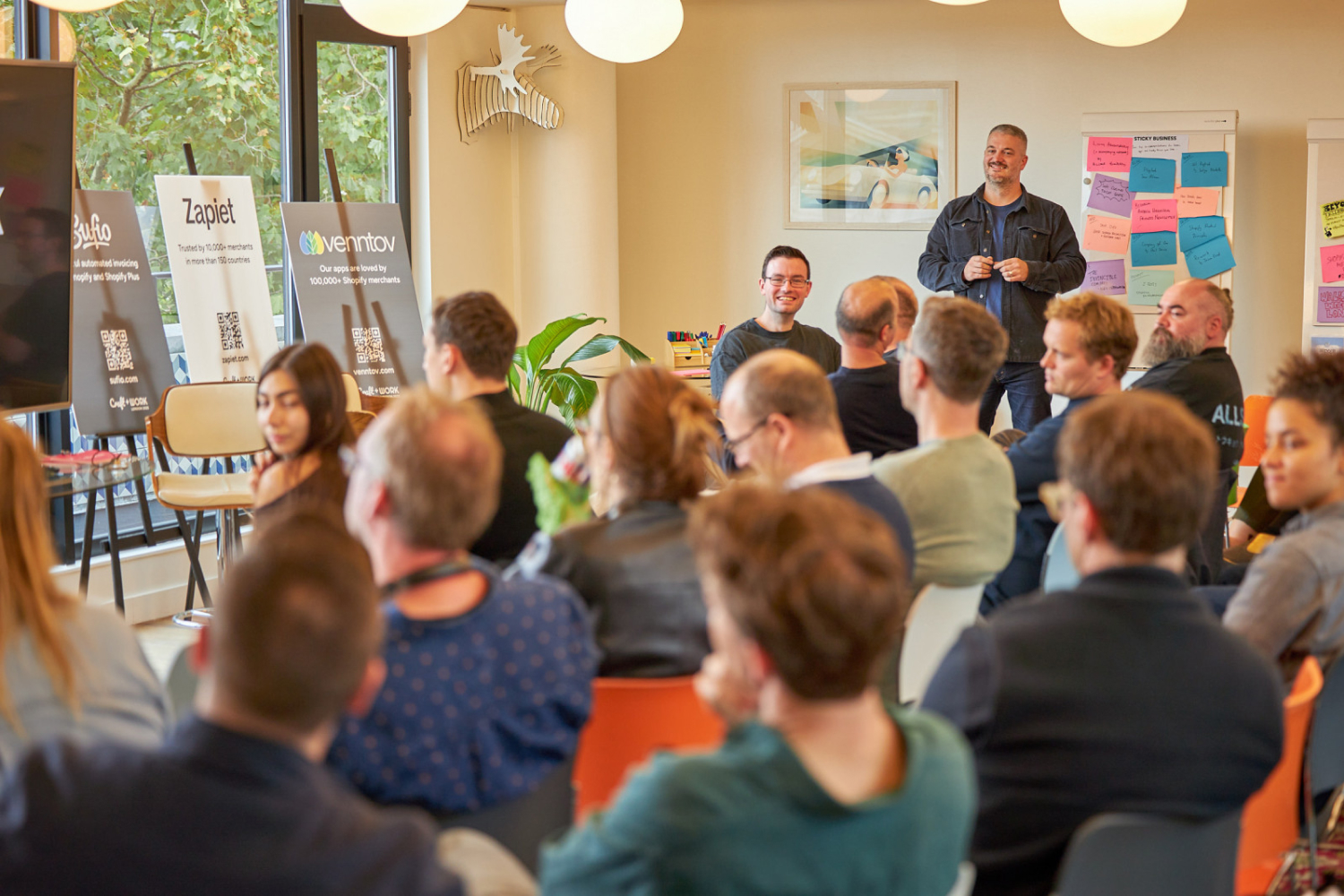
Craft & Work: LDN 2025
I’ll help you decide which opportunities are worth pursuing, develop a useful concept, shape the message, plan the promotion, and make sure the value extends beyond the day itself.
If you’re considering an event, gathering, sponsorship, or other IRL marketing activity and want to make more of the opportunity, book a free consultation and we can talk it through.
Subscribe to Flying ✈️ Solo
Flying Solo is my email newsletter about marketing, running a solo business, and life in the Shopify Partner ecosystem, along with useful links, upcoming events, and occasional behind-the-scenes stories.
It's 100% free and you can unsubscribe at any time.